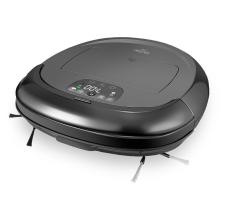
Why robotics is becoming a core business strategy
In 2026, robotics is no longer a futuristic concept — it is a practical business tool that companies across industries actively implement. From manufacturing to retail, automation is reshaping how businesses operate, compete, and grow.
Companies are under constant pressure to increase efficiency, reduce costs, and deliver faster results. Robotics provides a direct solution by automating repetitive processes and minimizing human error.
Another key factor is scalability. Businesses can expand operations without proportionally increasing labor costs, which significantly improves profitability.
“Robotics is not replacing business — it is redefining how business works.”
As a result, robotics has become a strategic investment rather than an experimental innovation.
Key industries using robotics in 2026
Robotics adoption is no longer limited to factories. In 2026, multiple industries are leveraging automation to improve performance and reduce operational friction.
Manufacturing remains the leader, but sectors like logistics, healthcare, and even hospitality are rapidly catching up.
Businesses are integrating robots not only for physical tasks but also for data-driven decision-making and service optimization.
Top industries using robotics
-
manufacturing and production
-
logistics and warehousing
-
healthcare and medical services
-
retail and eCommerce
-
agriculture
This widespread adoption shows that robotics is becoming a universal business tool rather than a niche solution.
How robotics reduces business costs
One of the primary reasons companies invest in robotics is cost reduction. In 2026, automation allows businesses to significantly lower operational expenses.
Robots can work 24/7 without breaks, which increases productivity while reducing labor dependency. This is especially valuable in industries with high turnover or labor shortages.
Additionally, automation reduces errors. Fewer mistakes mean lower costs related to defects, returns, and inefficiencies.
Main cost-saving benefits
-
reduced labor expenses
-
increased production speed
-
fewer operational errors
-
lower long-term costs
While the initial investment may be high, the return on investment is often achieved within a few years.
Robotics and small business opportunities
Contrary to common belief, robotics is not only for large corporations. In 2026, small and medium-sized businesses are increasingly adopting automation.
Affordable robotic solutions and subscription-based models make it easier for smaller companies to enter the market.
This opens new opportunities for entrepreneurs who want to build scalable businesses with lower overhead costs.
Examples of small business use
-
automated packaging systems
-
robotic customer service tools
-
inventory management automation
-
food preparation robots
“Automation is leveling the playing field between small businesses and large enterprises.”
This shift allows smaller companies to compete more effectively.
Robotics in logistics and supply chains
Logistics is one of the fastest-growing sectors for robotics adoption. In 2026, supply chains rely heavily on automation to remain competitive.
Warehouse robots handle sorting, packing, and transportation of goods. This significantly speeds up operations and reduces delays.
Automation also improves accuracy in inventory management, which is critical for eCommerce businesses.
Key benefits in logistics
-
faster order processing
-
improved inventory accuracy
-
reduced delivery times
-
lower operational costs
Companies that invest in robotic logistics gain a strong competitive advantage.
The role of AI in modern robotics
Robotics in 2026 is closely tied to artificial intelligence. AI enables robots to learn, adapt, and make decisions based on data.
This combination transforms robots from simple machines into intelligent systems capable of handling complex tasks.
AI-powered robots can analyze patterns, optimize workflows, and even predict issues before they occur.
Core capabilities of AI-driven robotics
-
real-time decision making
-
predictive analytics
-
adaptive learning
-
process optimization
This integration is one of the main drivers behind the rapid growth of automation.

Investment trends in robotics businesses
Robotics is one of the most attractive sectors for investors in 2026. Venture capital and corporate funding continue to flow into automation technologies.
Startups focused on robotics solutions are gaining attention due to their scalability and innovation potential.
Investors are particularly interested in companies that combine robotics with AI and data analytics.
Popular investment areas
-
warehouse automation
-
healthcare robotics
-
service robots
-
industrial automation
This trend indicates strong long-term growth for the robotics industry.
Challenges of implementing robotics in business
Despite its advantages, robotics adoption comes with challenges. In 2026, companies must carefully plan implementation to avoid costly mistakes.
One major challenge is the initial investment. Not all businesses are ready to allocate significant budgets for automation.
Another issue is integration. Robotics systems must work seamlessly with existing processes and technologies.
Common challenges
-
high upfront costs
-
technical complexity
-
employee training
-
system integration
“Successful automation is not about buying robots — it is about integrating them effectively.”
Businesses that address these challenges gain the most value from robotics.
How robotics is changing the workforce
Automation is transforming the job market. In 2026, robotics is not only replacing certain roles but also creating new opportunities.
Routine tasks are increasingly automated, allowing employees to focus on more complex and creative work.
New roles are emerging in areas such as robotics maintenance, programming, and system management.
Workforce changes include
-
reduced demand for repetitive labor
-
increased demand for technical skills
-
growth of hybrid roles combining tech and management
-
emphasis on continuous learning
This shift requires businesses to invest in employee training and development.
Robotics business ideas for 2026
The growth of robotics opens up new business opportunities. Entrepreneurs are actively exploring profitable business ideas that combine automation with real market demand. In 2026, robotics-based startups are becoming more accessible due to lower entry barriers and technological advancements.
In 2026, robotics-based startups are becoming more accessible due to lower entry barriers and technological advancements.
Promising business ideas
-
robotic cleaning services
-
automated food production
-
drone delivery systems
-
robotics consulting services
These ideas offer scalability and high growth potential.
How to start a robotics business
Starting a robotics business in 2026 requires a clear strategy and understanding of the market.
The first step is identifying a problem that can be solved with automation. This ensures real demand for the product or service.
Next, businesses must focus on technology, partnerships, and funding.
Steps to start
-
analyze market needs
-
develop a solution
-
secure funding
-
build a team
This structured approach increases the chances of success.
Future of robotics in business
The future of robotics looks promising. In 2026 and beyond, automation will continue to evolve and expand into new industries.
Advancements in AI, machine learning, and hardware will make robots more efficient and affordable.
Businesses that adopt robotics early will gain a significant competitive advantage.
“The companies that embrace automation today will lead the markets tomorrow.”
This makes robotics one of the most important trends shaping the future of business.
Conclusion robotics and business opportunities in 2026
Robotics in 2026 is not just a trend — it is a fundamental shift in how businesses operate. From cost reduction to new revenue streams, automation offers significant advantages.
Companies that understand and implement robotics strategically can improve efficiency, scalability, and competitiveness.
At the same time, new opportunities are emerging for entrepreneurs and investors who want to be part of this transformation.
The key is to approach robotics not as a tool, but as a long-term business strategy.
FAQ
What is robotics in business
Robotics in business refers to the use of automated machines and intelligent systems to perform tasks improve efficiency and reduce operational costs across different industries
How is robotics used in companies in 2026
Companies use robotics for manufacturing logistics customer service healthcare operations and data processing to increase productivity and accuracy
Is robotics only for large companies
No in 2026 robotics is доступна for small and medium businesses thanks to affordable solutions and automation platforms
What are the benefits of robotics in business
Main benefits include cost reduction increased efficiency fewer errors scalability and the ability to operate continuously without downtime
Can robotics create new business opportunities
Yes robotics opens new opportunities such as automation services robotic solutions consulting drone delivery and AI powered systems
How to start a robotics business
To start a robotics business you need to identify a problem develop an automation solution secure funding build a team and launch your product or service